All Aircraft Projects
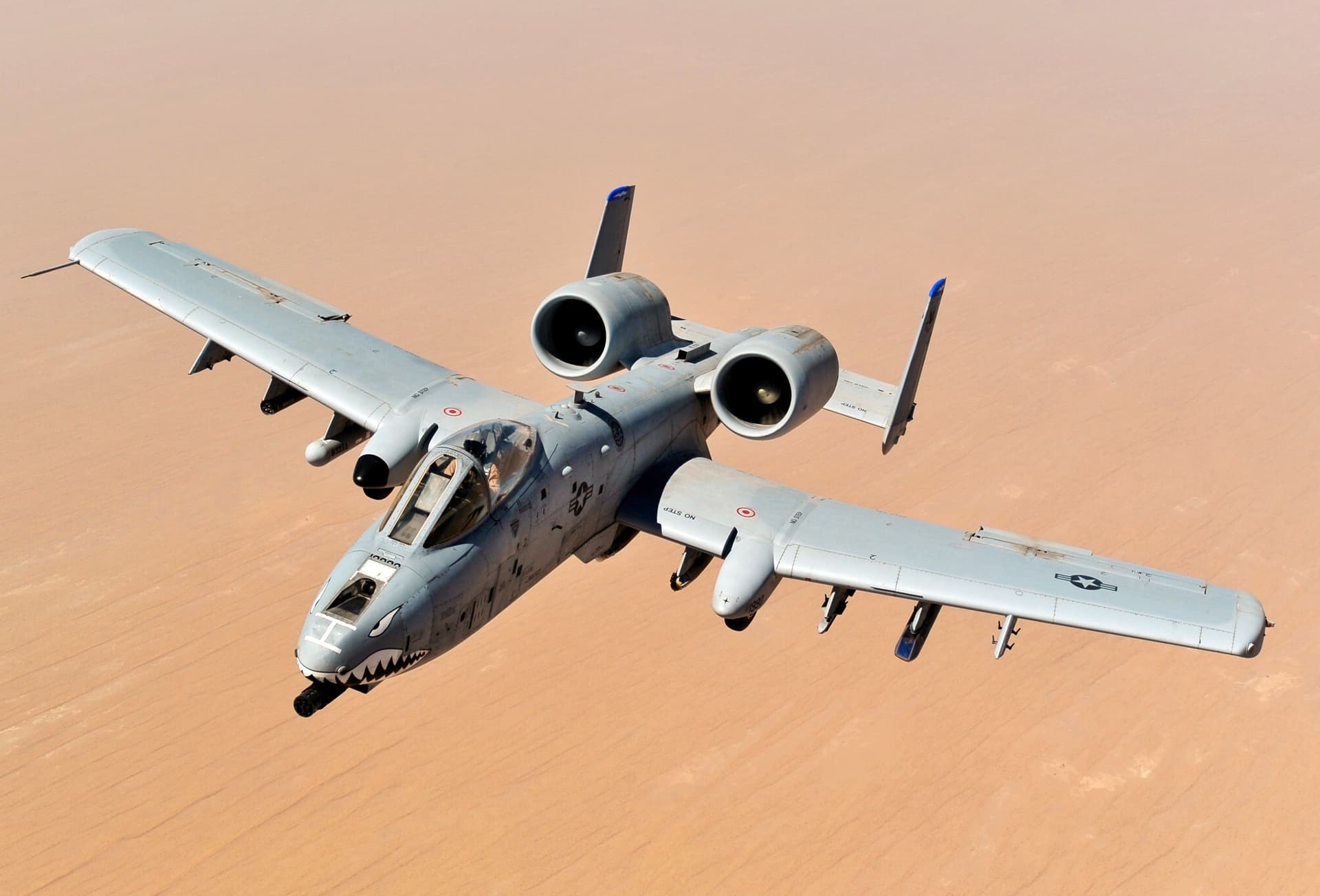
Fairchild Republic A-10 Thunderbolt II
9%The Fairchild Republic A-10 Thunderbolt II, also widely known by the nickname A-10 Warthog, is a single-seat, twin-turbofan, straight-wing, subsonic attack aircraft developed by Fairchild Republic for the United States Air Force (USAF). In service since 1977, it is named after the Republic P-47 Thunderbolt strike-fighter of World War II, but is instead commonly referred to as the "Warthog" (sometimes simply "Hog").[3] The A-10 was designed to provide close air support (CAS) to ground troops by attacking enemy armored vehicles, tanks, and other ground forces; it is the only production-built aircraft designed solely for CAS to have served with the U.S. Air Force.[4] Its secondary mission is to direct other aircraft in attacks on ground targets, a role called forward air controller (FAC)-airborne; aircraft used primarily in this role are designated OA-10.
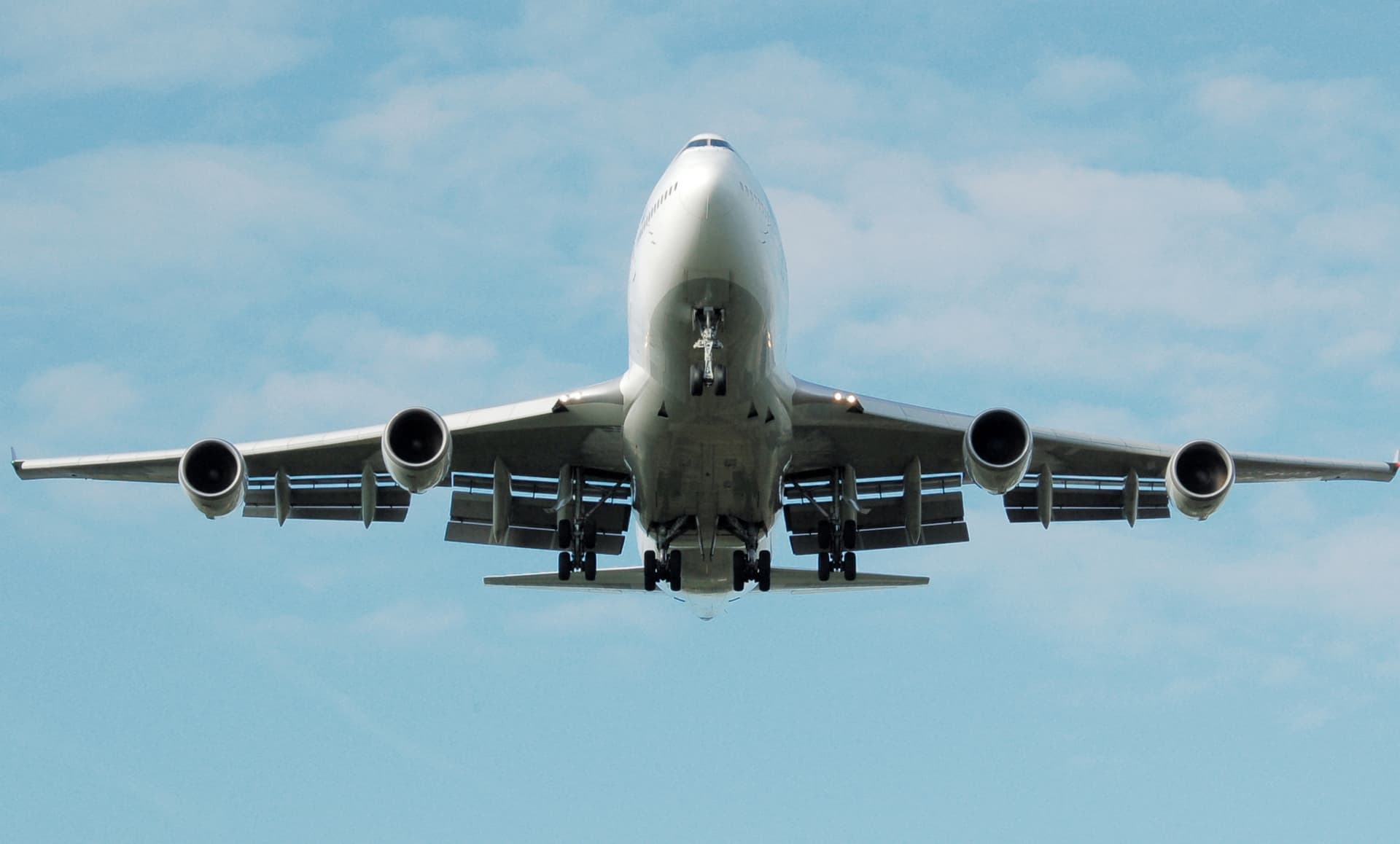
Boeing 747
0%The Boeing 747 is a long-range wide-body airliner designed and manufactured by Boeing Commercial Airplanes in the United States between 1968 and 2023. After the introduction of the 707 in October 1958, Pan Am wanted a jet 2+1⁄2 times its size, to reduce its seat cost by 30%. In 1965, Joe Sutter left the 737 development program to design the 747. In April 1966, Pan Am ordered 25 Boeing 747-100 aircraft, and in late 1966, Pratt & Whitney agreed to develop the JT9D engine, a high-bypass turbofan. On September 30, 1968, the first 747 was rolled out of the custom-built Everett Plant, the world's largest building by volume. The 747's first flight took place on February 9, 1969, and the 747 was certified in December 1969. It entered service with Pan Am on January 22, 1970. The 747 was the first airplane called a "Jumbo Jet" as the first wide-body airliner.
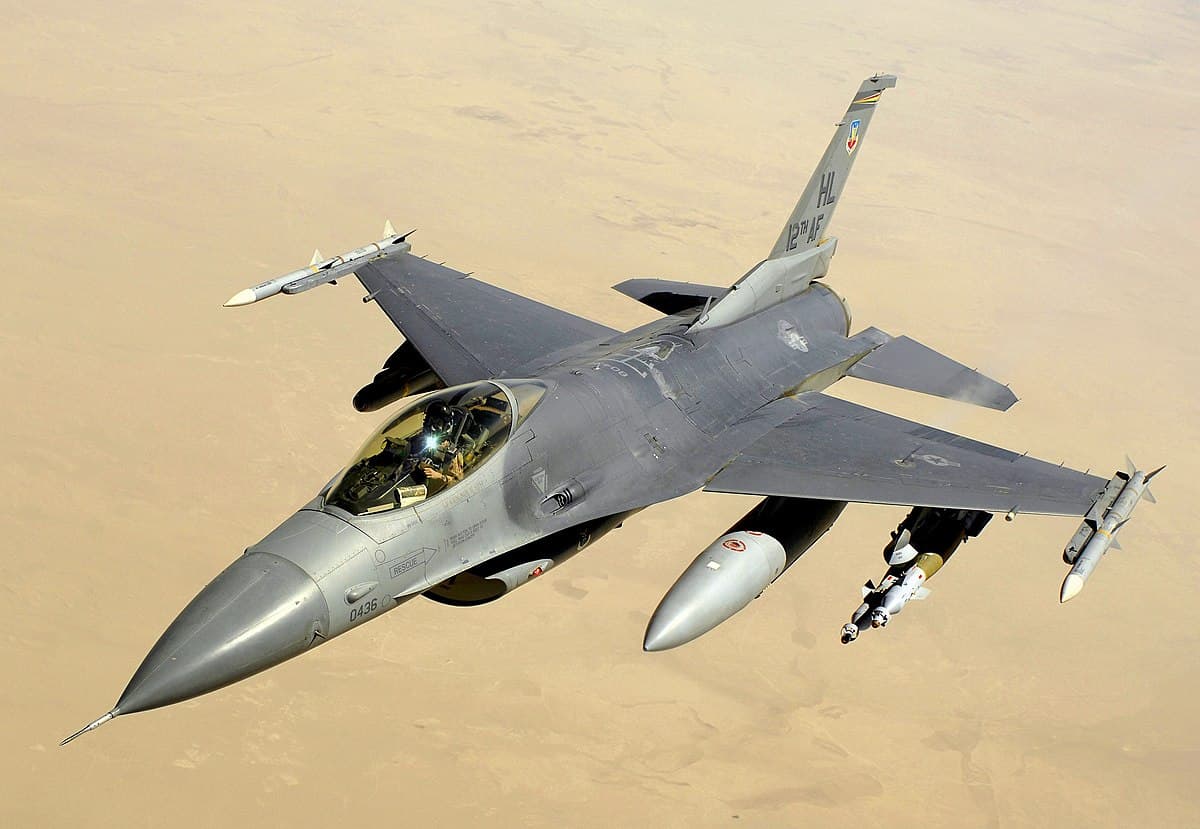
General Dynamics F-16 Fighting Falcon
0%The General Dynamics (now Lockheed Martin) F-16 Fighting Falcon is an American single-engine supersonic multirole fighter aircraft under production by Lockheed Martin.[4] Designed as an air superiority day fighter, it evolved into a successful all-weather multirole aircraft with over 4,600 built since 1976.[5] Although no longer purchased by the United States Air Force (USAF), improved versions are being built for export. As of 2025, it is the world's most common fixed-wing aircraft in military service, with 2,084 F-16s operational.[6] The aircraft was first developed by General Dynamics in 1974. In 1993, General Dynamics sold its aircraft manufacturing business to Lockheed,[7] which became part of Lockheed Martin after a 1995 merger with Martin Marietta.[8]
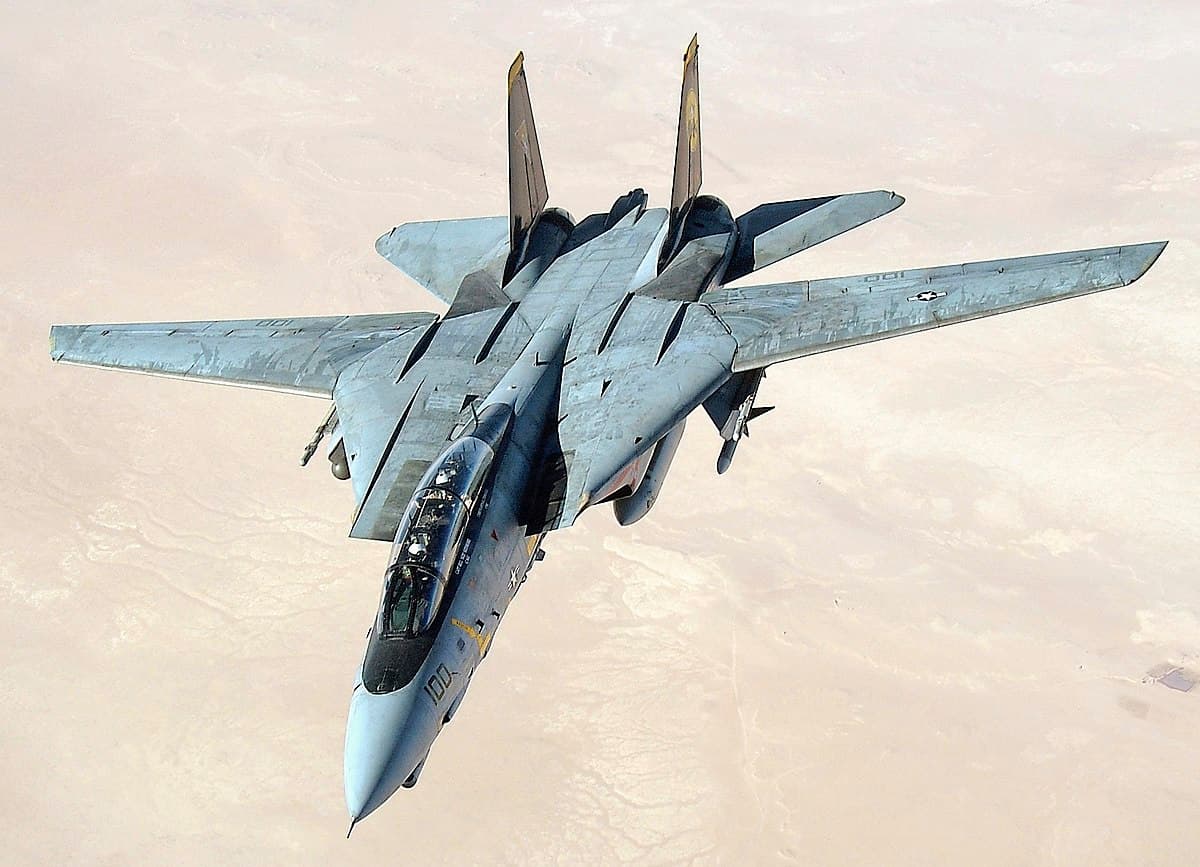
Grumman F-14 Tomcat
0%The Grumman F-14 Tomcat is an American carrier-capable supersonic, twin-engine, tandem two-seat, twin-tail, all-weather-capable variable-sweep wing fighter aircraft. The Tomcat was developed for the United States Navy's Naval Fighter Experimental (VFX) program after the collapse of the General Dynamics-Grumman F-111B project. A large and well-equipped fighter, the F-14 was the first of the American Teen Series fighters, which were designed incorporating air combat experience against smaller, more maneuverable MiG fighters during the Vietnam War.
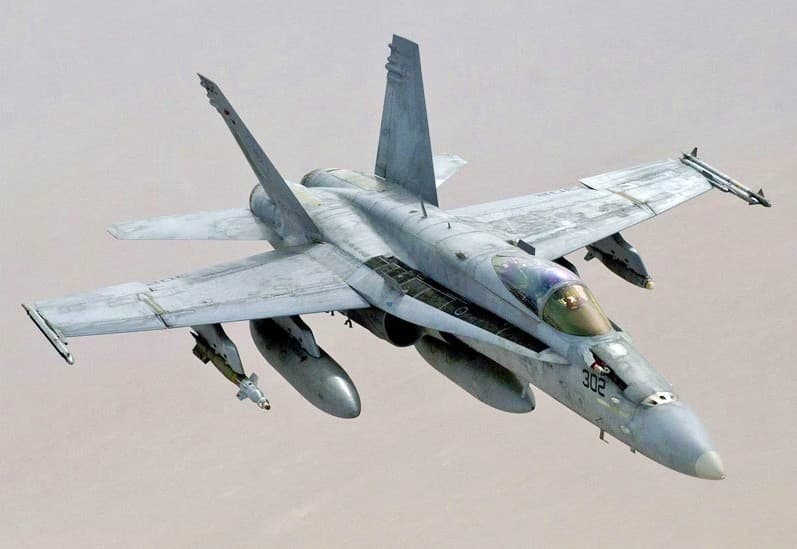
McDonnell Douglas F/A-18 Hornet
0%The McDonnell Douglas F/A-18 Hornet is an all-weather supersonic, twin-engined, carrier-capable, multirole combat aircraft, designed as both a fighter and ground attack aircraft (hence the F/A designation). Designed by McDonnell Douglas and Northrop, the F/A-18 was derived from the YF-17 that lost against the YF-16 in the United States Air Force's lightweight fighter program. The United States Navy selected the YF-17 for the Navy Air Combat Fighter program, further developed the design and renamed it F/A-18; the United States Marine Corps would also adopt the aircraft. The Hornet is also used by the air forces of several other nations, and formerly by the U.S. Navy's Flight Demonstration Squadron, the Blue Angels.